How to Optimize Your Pipe Fabrication Process for Efficiency
Understanding the Pipe Fabrication Process
Key Components of Pipe Fabrication
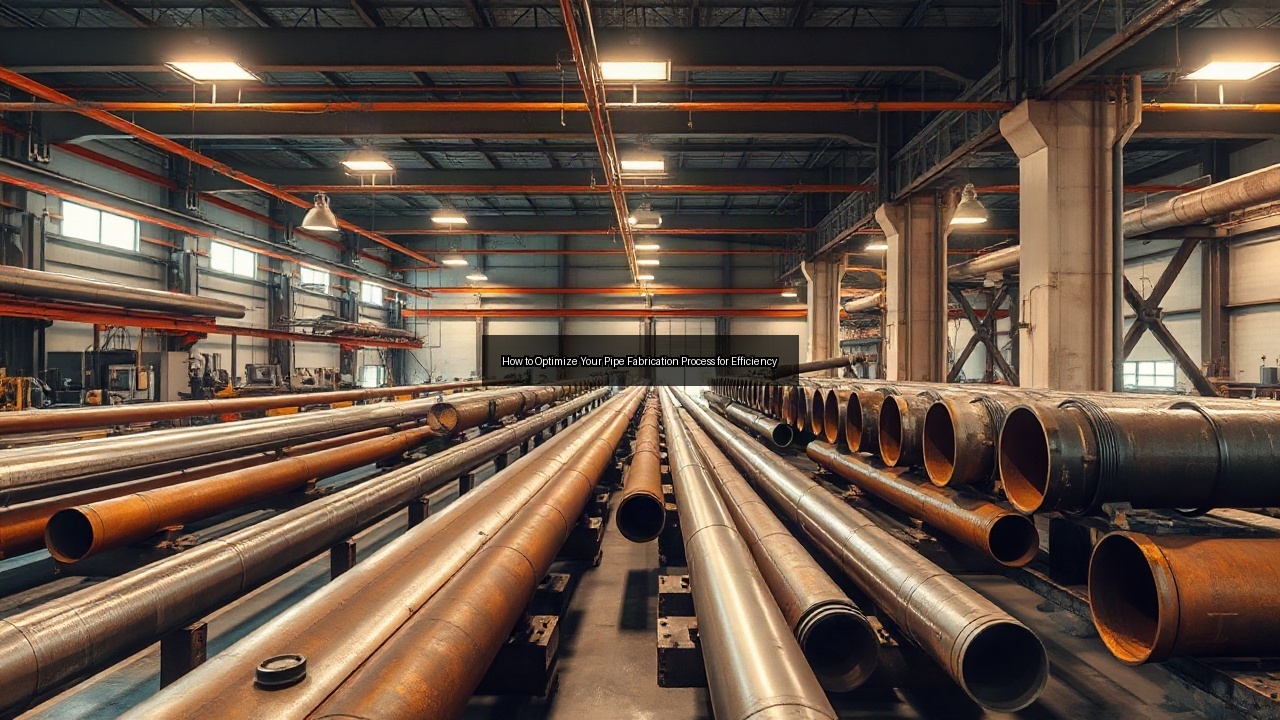
The pipe fabrication process comprises several essential components, each contributing to the overall efficiency and quality of the final product. It begins with the raw materials, typically steel pipes or tubes, which serve as the foundation for various applications, including construction, plumbing, and industrial uses. The process involves cutting, bending, welding, and assembling these materials into the desired configurations. Key components also include the machinery and tools used, such as cutting torches, welding machines, and bending equipment. Each piece of equipment must work harmoniously to ensure precision and minimize errors, thus maintaining the integrity of the pipe fabrication process.
Overview of Fabrication Techniques
Pipe fabrication encompasses a variety of techniques tailored to meet specific requirements and standards. Common methods include manual and automated welding, where skilled fabricators or machines join pieces of pipe using heat and pressure. Other techniques involve cutting and bending the pipes to achieve the necessary dimensions and shapes. For instance, using CNC (Computer Numerical Control) machines enhances accuracy and efficiency by automating cutting and shaping processes. Moreover, techniques such as hydroforming and roll bending allow for the creation of complex pipe geometries that meet exact specifications. The choice of fabrication technique directly impacts the quality and cost of the final product, making it crucial to select the right method based on project needs.
Importance of Material Selection
The choice of materials in pipe fabrication plays a pivotal role in determining the performance and durability of the finished product. Steel pipes are often favored for their strength, versatility, and resistance to corrosion. Different grades of steel, such as carbon steel or stainless steel, offer varying properties suited for specific applications. For instance, stainless steel pipes provide enhanced corrosion resistance, making them ideal for chemical processing environments. Additionally, selecting the right thickness and diameter of the pipe ensures it can withstand pressure and environmental conditions. Careful material selection not only influences the effectiveness of the piping system but also affects overall costs and project timelines, underscoring its importance in the fabrication process.
Strategies for Optimizing Efficiency in Pipe Fabrication
Streamlining Workflow in Fabrication Shops
Optimizing workflow in fabrication shops significantly enhances operational efficiency. Start by analyzing the layout of the workspace to minimize unnecessary movement and streamline the flow of materials. Organizing tools and equipment in a logical manner reduces time spent searching for items, allowing fabricators to focus on their tasks. Implementing lean manufacturing principles helps identify and eliminate wasteful practices, such as overproduction or excessive inventory. Additionally, fostering effective communication among team members ensures that everyone is aligned with production goals and deadlines. Regular training sessions can also enhance skills and adaptability among workers, ultimately improving the overall efficiency of the pipe fabrication process.
Implementing Advanced Technology in Fabrication
The integration of advanced technology in pipe fabrication can lead to substantial efficiency gains. Automated systems, such as robotic welding and laser cutting, enhance precision and speed, allowing for higher production rates with consistent quality. Software solutions for project management and inventory tracking streamline operations further, enabling real-time monitoring of progress and resource allocation. The adoption of 3D modeling and simulation tools allows fabricators to visualize designs before production, reducing errors and costly rework. As technology evolves, staying updated with the latest advancements ensures that fabrication companies remain competitive and can meet the growing demands of their clients effectively.
Reducing Waste and Costs in Pipe Production
Minimizing waste in pipe production not only contributes to environmental sustainability but also reduces operational costs. Implementing recycling programs for scrap materials can significantly lower expenses associated with raw materials. Efficient cutting techniques also play a critical role; optimizing cutting patterns reduces off-cuts and maximizes the use of each steel pipe. Regular maintenance of machinery ensures optimal performance, preventing breakdowns that can lead to further waste. Additionally, investing in employee training on efficient practices can foster a culture of cost-consciousness, where team members actively seek to reduce waste in their daily tasks, ultimately benefiting the bottom line of the fabrication operation.
Choosing the Right Pipe Fabrication Company
Evaluating Pipe Fabrication Services
Selecting the right pipe fabrication company is crucial for ensuring quality and efficiency in any project. Begin by evaluating the range of services offered by potential fabricators. Look for companies that provide comprehensive solutions, including custom fabrication, machining, and finishing services. Consider their experience in handling various materials, particularly steel pipes, as this can impact the quality of the final product. Client testimonials and case studies can provide insight into the company’s reliability and performance track record. Additionally, assessing their certifications and compliance with industry standards ensures that they adhere to best practices in pipe fabrication.
Factors to Consider When Selecting Fabrication Companies
When choosing a pipe fabrication company, several factors warrant careful consideration. First, assess their production capacity and turnaround times to ensure they can meet your project deadlines. The location of the fabrication shop can also influence logistics and transportation costs; proximity may reduce delivery times and expenses. Quality assurance processes are vital; inquire about their inspection methods and how they maintain standards throughout the fabrication process. Pricing is another critical factor, but it should not be the sole consideration. A lower price may compromise quality, so balance cost with the expected quality and service level when making your decision.
The Role of Quality Control in Pipe Fabrication
Quality control stands at the forefront of the pipe fabrication process, influencing both safety and performance. A robust quality control system includes systematic inspections at various stages of production, ensuring that each component meets specified standards before proceeding to the next phase. This proactive approach reduces the risk of defects and enhances the reliability of the final product. Regular audits and compliance checks with industry regulations further strengthen the quality assurance process. By investing in quality control, fabrication companies can minimize rework and warranty claims, thus fostering customer trust and satisfaction.
Future Trends in Pipe Fabrication
Emerging Technologies in Metal Pipe Fabrication
The future of metal pipe fabrication lies in the integration of emerging technologies that promise to revolutionize the industry. Innovations such as additive manufacturing (3D printing) are gaining traction, allowing for the production of complex pipe geometries with minimal waste. Smart manufacturing, powered by the Internet of Things (IoT), will enable real-time monitoring of machinery and processes, enhancing operational efficiency. Furthermore, artificial intelligence and machine learning can optimize production schedules and predict maintenance needs, reducing downtime. As these technologies evolve, they will reshape the landscape of pipe fabrication, offering new opportunities for efficiency and customization.
Sustainability Practices in Pipe Production
In an era focused on sustainability, pipe fabrication companies increasingly adopt eco-friendly practices. Utilizing recycled materials in production reduces the carbon footprint and conserves resources. Implementing energy-efficient machinery and processes also minimizes energy consumption during fabrication. Companies are exploring alternative materials, such as biodegradable composites, to meet the growing demand for environmentally responsible solutions. Additionally, engaging in sustainable waste management practices ensures that scrap materials are reused or recycled rather than sent to landfills. By prioritizing sustainability, pipe fabrication companies can align with global environmental goals and attract eco-conscious clients.
Market Insights: Pricing and Demand for Steel Pipes
Recent market trends indicate fluctuations in pricing and demand for steel pipes, influenced by various factors, including global economic conditions and supply chain dynamics. As infrastructure projects increase, the demand for steel pipes remains strong, driving prices upward. However, ongoing trade policies and tariffs can affect material costs. Fabrication companies must stay informed about market trends to adjust their pricing strategies accordingly. Understanding the competitive landscape and customer needs will enable companies to position themselves effectively and capitalize on emerging opportunities in the pipe fabrication market.