The Environmental Impact of Custom Plastic Injection Molding Practices
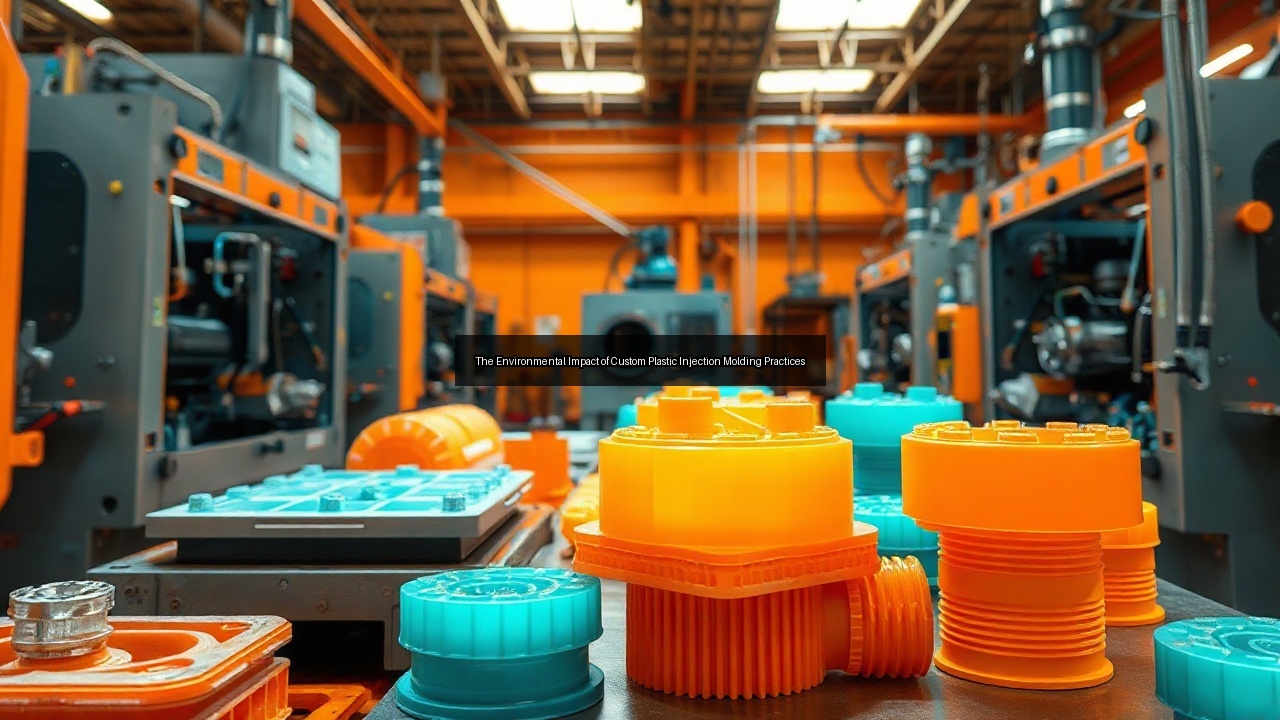
Understanding Custom Plastic Injection Molding
Overview of the Injection Molding Process
Custom plastic injection molding stands as a pivotal manufacturing process for producing high-quality plastic parts. The process begins with the design of an injection mold, crafted with precision to ensure the final product meets specific design and performance requirements. During injection molding, plastic pellets are heated until they melt and then injected into the mold under high pressure. This method allows for the creation of complex shapes and intricate designs, making it ideal for various industries, including automotive, electronics, and consumer goods. Once the plastic cools and solidifies, the mold opens, and the injection molded part is ejected, ready for further processing or assembly.
Types of Custom Molding Techniques
Custom plastic injection molding encompasses several techniques tailored to meet diverse manufacturing needs. One of the most popular methods is overmolding, where a layer of a different material is molded over an existing part, enhancing functionality and aesthetics. Another technique is insert molding, where pre-formed components, such as threaded inserts or metal parts, are incorporated into the injection mold during the process, creating a single, cohesive part. Additional methods include gas-assisted injection molding, which reduces material usage and weight, and multi-shot molding, allowing for the creation of multi-material components in a single cycle. Each technique plays a critical role in customizing production processes to achieve specific design goals.
Benefits of Custom Injection Molding
Custom injection molding delivers numerous advantages that position it as a preferred choice for manufacturers. First, it enables high-volume production with consistent quality, ensuring each part meets precise specifications. The efficiency of the injection molding process reduces material waste, resulting in cost savings and a smaller environmental footprint. Furthermore, manufacturers can achieve intricate designs and surface finishes that might be challenging with other methods. The ability to use various thermoplastics and liquid silicone rubber (LSR) expands the range of applications, making custom injection molding a versatile solution for producing custom plastic parts that cater to specific market demands.
Environmental Considerations in Custom Plastic Injection Molding
Material Selection and Its Impact
Material selection plays a crucial role in determining the environmental impact of custom plastic injection molding. Manufacturers often choose thermoplastics due custom manufacturing to their recyclability and versatility. However, the type of plastic used directly influences the ecological footprint. Biodegradable materials and recycled plastics offer sustainable alternatives that reduce reliance on virgin resources. For example, using post-consumer recycled (PCR) plastics not only lessens waste but also minimizes energy consumption associated with producing new materials. Companies committed to sustainability should prioritize eco-friendly materials and educate their clients on the benefits of making environmentally conscious choices in the custom injection molding process.
Energy Consumption and Emissions
The energy consumption associated with custom plastic injection molding remains a significant environmental consideration. The heating and cooling cycles during the injection molding process require substantial energy input, contributing to greenhouse gas emissions. Manufacturers are increasingly adopting energy-efficient machines and technologies to mitigate this impact. Innovations such as hybrid injection molding machines combine hydraulic and electric systems, significantly reducing energy use. Additionally, optimizing cycle times through advanced control systems decreases emissions while improving productivity. By prioritizing energy efficiency, companies can not only enhance their sustainability profile but also realize long-term cost savings.
Waste Management and Recycling Strategies
Efficient waste management is essential in minimizing the environmental impact of custom plastic injection molding. The production process inevitably generates scrap material, which can contribute to landfill waste if not managed properly. Implementing recycling strategies can significantly reduce waste. Many manufacturers now incorporate closed-loop systems where scrap material is regrinded and reused in the production cycle. Additionally, collaborating with recycling companies ensures that unused plastic parts and excess material are recycled responsibly. Educating employees about waste reduction practices and investing in recycling technologies further enhance a company’s sustainability efforts, making a positive contribution to the environment.
Innovations and Technologies in Plastic Injection Molding
Advancements in 3D Printing and Prototyping
3D printing revolutionizes the prototyping phase in custom plastic injection molding. This technology allows manufacturers to create rapid prototypes from computer-aided designs (CAD), facilitating testing and design validation before committing to full-scale production. By producing injection molds using 3D printing, companies can significantly shorten lead times and reduce costs associated with traditional mold-making processes. Fast prototyping enables designers to iterate quickly, addressing any issues before the injection molding phase. This synergy between 3D printing and injection molding streamlines production, enhances product quality, and accelerates time-to-market for custom plastic parts.
The Role of Liquid Silicone Rubber and Overmolding
Liquid silicone rubber (LSR) plays a transformative role in custom plastic injection molding. LSR's unique properties, such as flexibility and heat resistance, make it an ideal material for overmolding applications. Overmolding with LSR allows manufacturers to combine soft and hard materials, creating components that are not only durable but also comfortable to handle. This technique is particularly beneficial in industries like medical devices and consumer electronics, where tactile qualities and ergonomic designs are critical. The integration of LSR in custom injection molding enhances product functionality and expands design possibilities, driving innovation in various sectors.
Integration of CNC Machining and EDM in Tool Making
CNC machining and electrical discharge machining (EDM) are essential in the tool-making process for custom plastic injection molds. CNC machining offers precise shaping of mold components, ensuring tight tolerances that are crucial for high-quality production. Meanwhile, EDM facilitates the creation of intricate features and complex geometries that traditional machining methods may struggle to achieve. By integrating these advanced technologies, manufacturers can produce highly detailed and refined injection molds, resulting in superior surface finishes and improved part quality. This combination of CNC and EDM not only enhances the efficiency of mold production but also sets the stage for more complex custom injection molding applications.
Evaluating Costs and Pricing in Custom Plastic Injection Molding
Factors Influencing Custom Mold Pricing
Several factors influence the pricing of custom molds in injection molding. The complexity of the design is one of the most significant determinants; intricate designs requiring advanced features or multiple cavities tend to increase costs. Material selection also impacts pricing, as high-performance or specialty plastics often come at a premium. Additionally, the size of the mold and the production volume play a vital role in determining the overall cost. Manufacturers must consider these variables when quoting prices to clients, ensuring transparency and alignment with budget expectations while delivering high-quality custom plastic parts.
Cost Comparisons: Traditional vs. Modern Techniques
Cost comparisons between traditional and modern injection molding techniques reveal substantial differences. Traditional methods often involve longer lead times and higher initial costs due to extensive tooling requirements. In contrast, modern techniques such as 3D printing for prototyping and the use of hybrid machines can significantly reduce both time and expenses. Companies that adopt these modern technologies benefit from lower production costs and enhanced flexibility in design changes. Evaluating the long-term implications of these techniques is essential for manufacturers seeking to optimize their operations and remain competitive in the custom plastic injection molding market.
Importance of ISO 9001 Certification in Quality Control
ISO 9001 certification plays a crucial role in the quality control processes of custom plastic injection molding companies. This international standard ensures that manufacturers adhere to strict quality management principles, focusing on customer satisfaction and continual improvement. Achieving ISO 9001 certification demonstrates a commitment to delivering high-quality products and services, enhancing trust with clients and partners. Companies that invest in maintaining this certification can streamline their operations, reduce defects, and improve overall efficiency. In the competitive landscape of custom plastic injection molding, ISO 9001 certification serves as a hallmark of quality and reliability, differentiating businesses in a crowded marketplace.
See Also
- Unlocking the Secrets of Custom Plastic Injection Molding for Innovative Product Design
- Why Custom Plastic Injection Molding is Ideal for High-Volume Production
- Bridging the Gap Between Design and Production with Custom Molding Solutions
- The Role of ISO 9001 in Enhancing Custom Plastic Injection Molding Quality