Innovative Manufacturing Techniques for Bespoke Motors
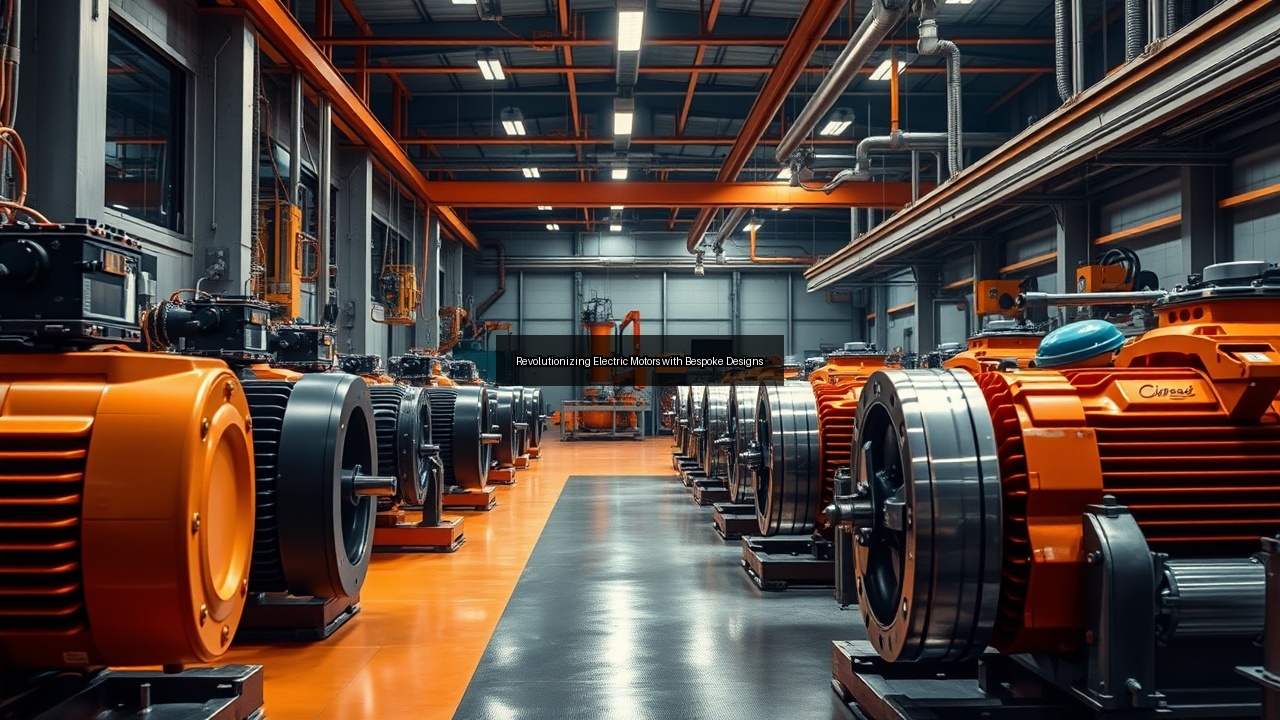
Understanding Custom Motors in Modern Manufacturing
The Role of Custom Motors in Various Industries
Custom motors drive efficiency across sectors that demand precise power delivery. Automotive plants rely on them to power assembly lines where standard units fall short. Aerospace engineers integrate custom electric motors into actuators that control flight surfaces with exact torque. Medical device makers specify bespoke designs for surgical robots that require silent operation and minimal vibration. These tailored solutions replace off-the-shelf components that waste energy or add unnecessary weight. Manufacturers gain competitive edges when motors match exact load profiles, voltage requirements, and environmental constraints of each application.
Types of Custom Motors: An Overview
Engineers select from several motor architectures when building custom motors. Direct current motors deliver steady torque at low speeds for conveyor systems and winches. Alternating current induction motors handle high-power pumps and fans where durability matters most. Synchronous motors maintain constant speed under varying loads, making them ideal for generators in power plants. Brushless dc designs eliminate brushes to reduce maintenance in continuous-duty equipment. Servo motor units provide closed-loop positioning for robotics and CNC machines. Each type accepts modifications in winding configuration, housing material, and shaft geometry to fit specialized equipment.
Benefits of Customized Motors in Manufacturing
Customized motors cut energy consumption by matching output curves to actual duty cycles. Production teams reduce downtime because units arrive pre-aligned with existing gear trains and mounting points. Inventory managers stock fewer spare parts when motors share standardized interfaces across multiple machine models. Higher power density allows smaller footprints inside compact machinery without sacrificing performance. Companies also achieve quieter operation through optimized rotor balancing and bearing selection. These advantages compound when manufacturers scale production of specialized equipment that requires repeatable reliability.
Innovative Techniques in Custom Motor Production
Precision Engineering and Its Impact on Motor Design
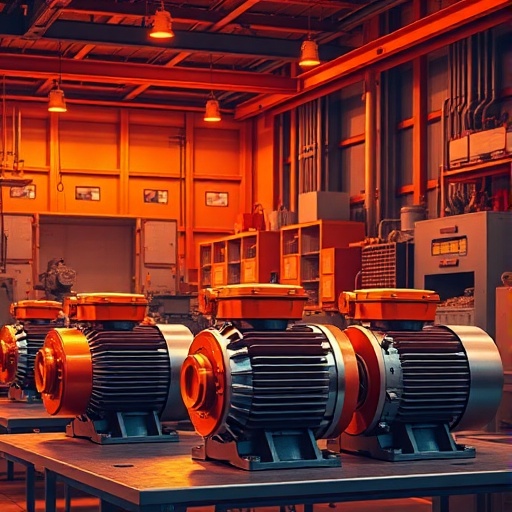
Precision engineering transforms motor performance through tight tolerance control on rotor and stator components. Computer-controlled machining produces laminations with stack heights accurate to microns, minimizing eddy current losses. Laser alignment stations verify shaft concentricity before final assembly. Finite element analysis guides magnet placement in brushless dc motors to maximize flux density. These steps yield higher efficiency ratings and longer service intervals. Custom motor builders apply the same discipline to thermal modeling so windings stay within safe temperature limits during peak loads.
Advanced Manufacturing Processes for Electric Motors
Modern electric motors emerge from automated winding cells that lay copper precisely into slots at high speed. Vacuum impregnation seals insulation against moisture and vibration. Additive manufacturing creates complex cooling channels inside housings that traditional casting cannot achieve. Inline testing stations measure back-EMF and insulation resistance immediately after winding completion. These processes shorten lead times for custom electric motor orders while maintaining consistent quality. Manufacturers track every serial number through the line to support traceability requirements in regulated industries.
The Shift to Brushless DC Motors and Their Advantages
Brushless dc motors replace mechanical commutation with electronic switching that extends operating life dramatically. Absence of brushes removes a common failure point in harsh environments such as mining equipment or outdoor generators. Higher speed capability suits direct-drive applications that previously required gear reduction. Lower electromagnetic interference benefits sensitive instrumentation nearby. Custom motor suppliers program integrated controllers to match torque-speed curves exactly, eliminating the need for external drives in many cases. This architecture also improves power-to-weight ratios for portable tools and electric vehicles.
Applications of Custom Motors Across Different Sectors
Custom Motors in Electric Trucks: Enhancing Efficiency
Electric trucks depend on custom motors sized for continuous highway loads and frequent stop-start cycles. Engineers optimize stator cooling jackets to sustain high current without derating. Integrated gear reduction units multiply torque at the wheels while keeping motor speeds efficient. Regenerative braking returns energy through the same motor windings, extending battery range on delivery routes. Fleet operators specify IP67 sealing and reinforced bearings to survive road debris and wash-downs. These tailored electric motors deliver both performance and durability that generic units cannot match in commercial service.
Synchronous vs. Induction Motors: Choosing the Right Type
Synchronous motors excel when constant speed under load is critical, such as large compressors or precision generators. Their rotors lock to supply frequency and maintain that relationship without slip. Induction motors tolerate wider voltage fluctuations and start under heavy inertia with simple controls. Custom motor designers evaluate power factor correction needs, starting torque demands, and maintenance access before recommending either architecture. Some hybrid designs combine features of both to serve variable-speed pumps where efficiency across the operating range matters most.
The Growing Demand for Servo Motors in Automation
Automation cells increasingly specify servo motor packages for rapid, repeatable positioning. Integrated encoders feed position data back to drives that adjust current in real time. Custom motor housings accommodate absolute encoders and brake assemblies without increasing overall length. High dynamic response reduces cycle times in packaging and material handling lines. Manufacturers also request reinforced output shafts and specialized connectors to survive wash-down environments. This demand pushes suppliers to offer pre-configured servo motor families that accept quick firmware changes for new product variants.
Challenges and Solutions in Custom Motor Manufacturing
Managing Inventory for Custom Motors: Best Practices
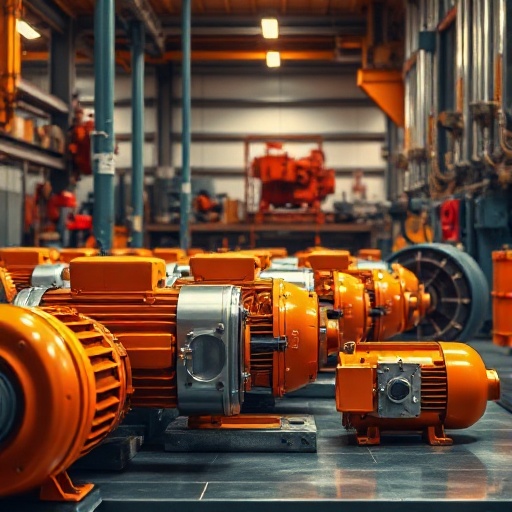
Inventory control for custom motors requires balancing component commonality with order-specific parts. Planners maintain buffer stocks of standard laminations and magnet grades while ordering specialty shafts only after receiving customer drawings. Modular winding kits allow rapid reconfiguration of motor voltage and power ratings. Digital tracking systems flag slow-moving finished units so production can adjust future builds. These practices prevent both stockouts that delay shipments and excess finished goods that tie up capital.
Overcoming Barriers in Custom Motor Production
Long lead times for rare-earth magnets and specialized bearings challenge delivery schedules. Suppliers mitigate risk by qualifying multiple sources and maintaining safety stock for critical items. Design for manufacturability reviews catch tolerance conflicts before tooling begins. Cross-training technicians on multiple motor platforms reduces bottlenecks when one product line surges. Digital twin simulations predict assembly issues and allow fixture adjustments before metal is cut. These coordinated steps keep custom motor projects on schedule.
The Importance of Quality Control in Motor Manufacturing
Quality control gates verify every custom motor against electrical and mechanical specifications before shipment. Hi-pot testing confirms insulation integrity at elevated voltages. Dynamic balancing stations measure vibration at operating speed and correct imbalance with minimal material removal. Endurance runs on sample units validate thermal performance under worst-case loads. Traceable calibration records support audits required by automotive and aerospace customers. Consistent documentation also speeds root-cause analysis when field issues arise.
Future Trends in Custom Motor Manufacturing
The Rise of Smart Motors: Integrating IoT in Custom Designs
Smart motors embed sensors that stream temperature, vibration, and current data to plant networks. Custom motor firmware processes these signals locally to predict bearing wear weeks in advance. Cloud dashboards display efficiency trends across fleets of similar machines. Engineers program threshold alerts that trigger maintenance tickets automatically. This connectivity turns motors from simple power sources into data nodes that improve overall equipment effectiveness in modern factories.
Sustainable Manufacturing Techniques for Electric Motors
Sustainable practices reduce waste during electric motor production through closed-loop copper recycling and solvent-free insulation systems. Powder-coat finishes replace solvent-based paints on housings. Designers specify recycled aluminum alloys for end bells where structural loads permit. Energy recovery systems capture heat from curing ovens to preheat incoming air. These methods lower the carbon footprint of each custom motor while meeting customer sustainability reporting requirements.
Innovations in Gear Systems for Enhanced Motor Performance
Integrated gear systems multiply torque and allow smaller motors to drive heavy loads efficiently. Helical planetary stages achieve high reduction ratios in compact packages that fit inside robotic joints. Custom motor builders machine gear teeth directly onto motor shafts to eliminate coupling misalignment. Low-backlash designs improve positioning accuracy in servo applications. Advanced lubricants and surface treatments extend gear life under continuous high-load duty. These refinements raise overall system efficiency and reduce maintenance intervals across industrial equipment.