Revolutionizing Electric Motors with Bespoke Designs
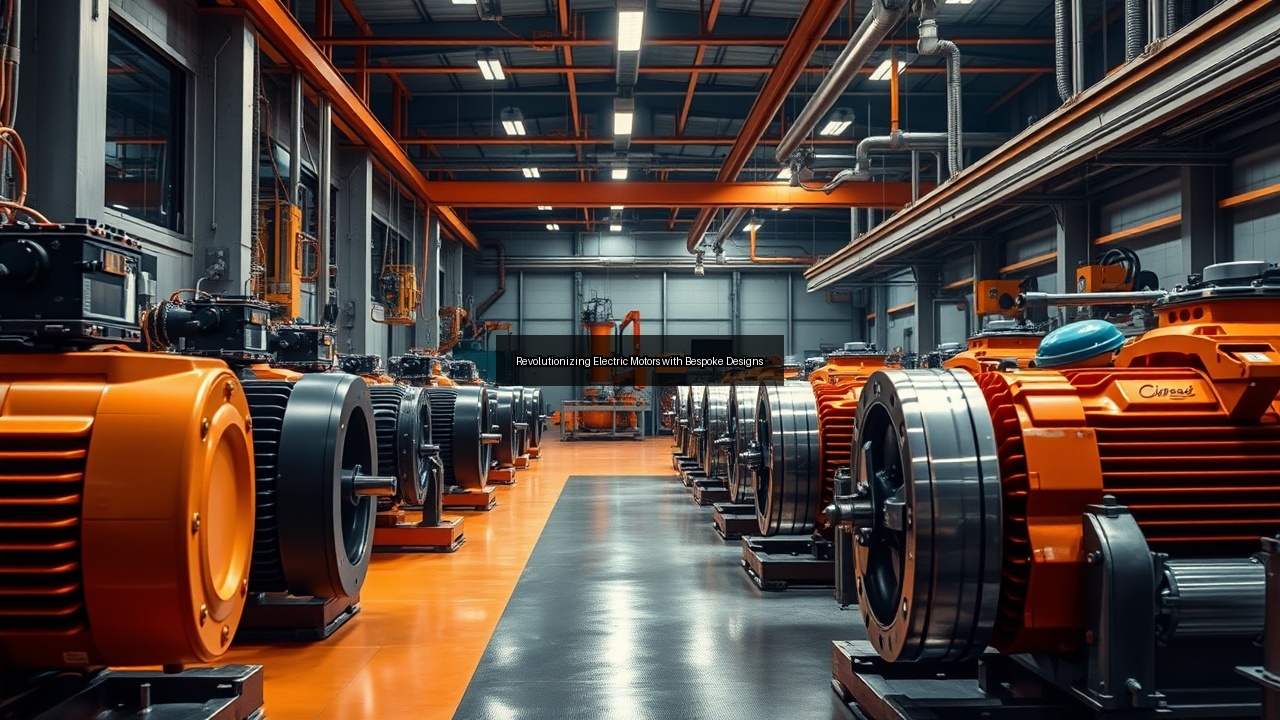
The Evolution of Electric Motors: A Custom Approach
Historical Overview of Electric Motors
Electric motors have undergone a remarkable evolution since their inception in the 19th century. The first commercial electric motor, developed by Michael Faraday in 1821, paved the way for various applications, particularly in manufacturing and transportation. As the technology advanced, alternating current (AC) motors emerged, revolutionizing power distribution and enabling longer-distance electricity transmission. The introduction of direct current (DC) motors created new possibilities, particularly for applications requiring precise control. Over the decades, these innovations set the stage for the emergence of custom motors, allowing manufacturers to tailor designs to specific needs rather than relying on one-size-fits-all solutions.
The Rise of Custom Electric Motors
Custom electric motors gained traction as industries sought efficiency and performance tailored to their unique requirements. Standard motors often fell short in providing the necessary specifications for specialized applications. The demand for bespoke designs surged, driven by sectors such as automotive, aerospace, and robotics. Manufacturers began to understand that one size does not fit all; therefore, they invested in custom motor solutions. These bespoke designs offered improved efficiency, reduced energy consumption, and enhanced operational capabilities. As industries embraced technological advancements, the custom electric motor market expanded significantly, accommodating a diverse range of applications.
Comparing Standard vs. Custom Motors
Standard electric motors serve well for general applications, but they often lack the adaptability needed for specialized tasks. Custom motors, in contrast, provide solutions tailored to specific operational demands. For instance, a truck manufacturer might require a motor that optimizes torque and speed for heavy loads, which a standard motor might not deliver. Custom motors allow for variations in size, power output, and design features that enhance performance. Additionally, the integration of advanced technologies like brushless DC motors and precision engineering techniques further distinguishes custom motors from their standard counterparts. Businesses that invest in custom designs often see significant returns in efficiency and productivity.
Applications of Custom Motors Across Industries
Custom Motors in Truck Manufacturing
Truck manufacturing represents a dynamic sector where custom motors play a pivotal role. Truck engines demand robust performance, particularly when transporting heavy loads. Custom electric motors designed for trucks can enhance efficiency and reduce weight, contributing to better fuel economy. Manufacturers often integrate advanced features, such as regenerative braking systems, leveraging custom motors to improve overall vehicle efficiency. These motors can be tailored for specific truck models, ensuring optimal performance across varying terrains and load conditions. As electric trucks gain popularity, the focus on custom motor solutions will only intensify, providing manufacturers with a competitive edge.
The Role of Brushless DC Motors in Automation
Brushless DC motors have transformed automation processes across numerous industries. Their design eliminates the need for brushes, resulting in less friction and longer life spans. Custom brushless DC motors can be engineered to meet specific operational requirements, enhancing performance in applications such as robotics and assembly lines. These motors offer precise speed control and high efficiency, making them ideal for automated systems that require consistency and reliability. As automation continues to evolve, the demand for custom brushless DC motors will likely increase, driving innovation and pushing the boundaries of what is possible in manufacturing and production environments.
Synchronous vs. Induction Motors: Custom Solutions
When it comes to custom electric motors, the choice between synchronous and induction motors often arises. Synchronous motors operate at a constant speed, making them suitable for applications requiring precise timing and coordination. In contrast, induction motors are favored for their simplicity and robustness, ideal for high-torque applications. Custom solutions allow engineers to design motors that leverage the strengths of both types, ensuring optimal performance in specific contexts. Industries such as manufacturing, mining, and energy generation benefit immensely from these tailored motor designs, optimizing operations and enhancing productivity across the board.
Precision Engineering in Customized Motor Manufacturing
The Importance of Tailored Designs
Precision engineering stands at the forefront of customized motor manufacturing. Tailored designs ensure that every motor meets the unique specifications of its application. Engineers utilize advanced modeling and simulation technologies to create prototypes that test various performance parameters. This meticulous design process minimizes waste and enhances efficiency, offering manufacturers a competitive advantage. Custom motors can be optimized for size, power, and thermal performance, addressing specific challenges in diverse industries. The emphasis on precision engineering enables manufacturers to deliver products that not only meet but exceed customer expectations, solidifying their reputation in a competitive market.
Innovative Materials in Custom Motor Production
The selection of materials plays a crucial role in the performance of custom motors. Innovative materials such as high-strength alloys, lightweight composites, and advanced magnetic materials significantly enhance efficiency and durability. Custom motor manufacturers can leverage these advancements to create motors that operate at higher temperatures and with increased efficiency. For instance, utilizing high-grade magnets in brushless DC motors can drastically improve power output while reducing energy consumption. The integration of innovative materials not only enhances the performance of custom motors but also contributes to sustainability efforts by reducing the overall carbon footprint of manufacturing processes.
Streamlining Inventory for Custom Motor Projects
Efficient inventory management becomes a critical factor in the success of custom motor projects. Manufacturers face the challenge of balancing the availability of specialized components while minimizing excess inventory costs. Implementing just-in-time inventory systems allows companies to streamline their supply chains, ensuring that materials arrive precisely when needed. This approach reduces storage costs and enhances responsiveness to market demands. Additionally, digital tools and advanced forecasting techniques aid manufacturers in predicting future needs accurately. By optimizing inventory management, businesses can improve production efficiency and maintain the flexibility necessary for custom electric motor projects.
The Future of Electric Motors: Trends and Innovations
Emerging Technologies in Custom Motors
The landscape of custom motors continues to shift with the emergence of new technologies. Innovations such as IoT-enabled motors provide real-time data on performance metrics, allowing for proactive maintenance and optimization. Additionally, advancements in artificial intelligence facilitate smarter motor designs that can adapt to varying operational conditions, enhancing efficiency. The integration of these technologies into custom motors will redefine performance standards, pushing the boundaries of what electric motors can achieve. As industries increasingly embrace digital transformation, the demand for innovative custom motor solutions will grow, reflecting the need for adaptability and efficiency in a rapidly changing market.
The Impact of Servos and Gear Systems
Servo motors and gear systems significantly impact the functionality of custom electric motors. Servo motors deliver precise control over movement, making them indispensable in applications like robotics and CNC machinery. Custom servo motor designs can cater to specific torque and speed requirements, enhancing overall system performance. Coupling these motors with tailored gear systems further amplifies their capabilities, allowing for efficient power transmission and motion control. Industries that rely on precision mechanics will benefit greatly from advancements in custom servo and gear solutions, driving innovation and improving productivity across various sectors.
Sustainability in Custom Electric Motor Development
Sustainability has become a guiding principle in custom electric motor development. Manufacturers are increasingly focused on creating energy-efficient motors that minimize environmental impact. Custom solutions often incorporate sustainable practices, such as using recyclable materials and optimizing designs for energy consumption. Additionally, the transition customized motors to electric vehicles necessitates the development of eco-friendly motors that comply with stringent regulatory standards. By embracing sustainability, companies not only meet consumer demands but also contribute to global efforts in combating climate change. The future of custom electric motors lies in balancing performance with environmental responsibility, paving the way for a cleaner, greener future.